With the days getting longer and flowers appearing everywhere you look, spring’s definitely arrived! As the garden starts growing again, there’s plenty to do to get it looking good this spring. Here are our top 15 gardening tips for March.
15 March gardening tips
-
It’s time to plant first early potatoes. For the best results, ‘chit’ them first by leaving them in a cool, bright, frost-free place for a few weeks to produce shoots, then plant them in grow bags or vegetable beds. March is also the month to plant onion sets for a summer crop.
-
Towards the end of the month, sow hardy annuals like nigella, cornflowers and poppies for swathes of flowers in summer that will attract a host of pollinating insects.
-
Sow tomato and chilli pepper seeds indoors on a sunny windowsill or in a greenhouse.
-
Sow carrots, parsnips and radishes outside in well-prepared vegetable beds.
-
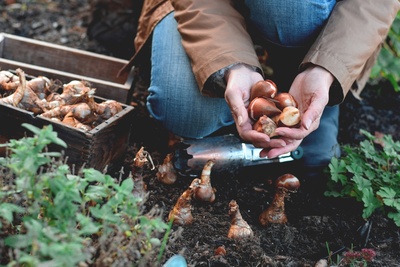
Start summer-flowering bulbs like dahlias, gladioli and lilies in pots indoors for planting out in a few months when the frosts are past.
-
Cut back shrubby dogwoods (Cornus alba, sanguinea and sericea) and willows (Salix) to around 15cm (6in) above ground level. This encourages them to produce fresh, brightly coloured stems that will look stunning in the garden next winter.
-
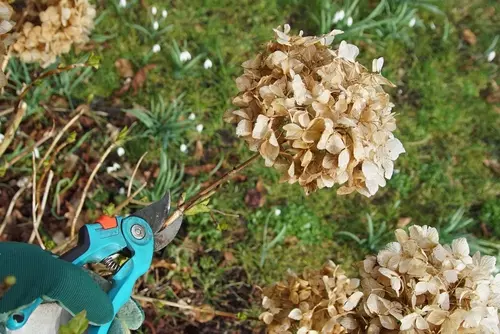
Prune bush roses, removing all dead, damaged and crossing branches and shortening stems by a third. Prune climbing roses, too, if not already done in winter. On mophead hydrangeas, cut back last year’s floral stems to strong buds below the flowerheads. Cut back flowered fuchsia stems to one to two buds from the main branches.
-
Deadhead daffodils and other spring bulbs as they fade, but leave the foliage to die back – don’t tie or plait it as this stops the leaves from being able to make food for next year’s flowers.
-
Dig compost or well-rotted farmyard manure into vegetable beds to boost nutrient levels ready for the year’s crops.
-
Feed roses with a general-purpose fertiliser. Give ericaceous plants like camellias, rhododendrons and blueberries a special feed with ericaceous fertiliser.
-
Mulch fruit trees with compost or well-rotted farmyard manure, keeping the mulch clear of the trunks to avoid the risk of rotting.
-
Top-dress container-grown shrubs by removing the top 5cm of old compost and replacing it with fresh compost.
-
Lift and divide summer- and autumn-flowering perennials like daylilies, rudbeckia and agapanthus.
-
If you need to move deciduous shrubs and trees, do it this month before they start growing again in spring.
-
Put in plant supports for tall perennials like asters, delphiniums and dahlias – it’s much easier to do it now while the plants are still small.
Whatever you need to get your garden into shape this spring, you’ll find it in our centre, so pay us a visit soon!