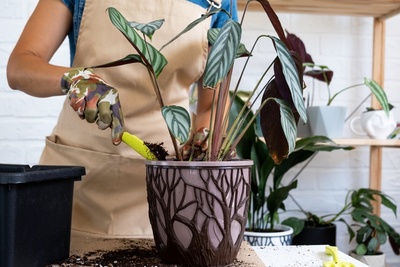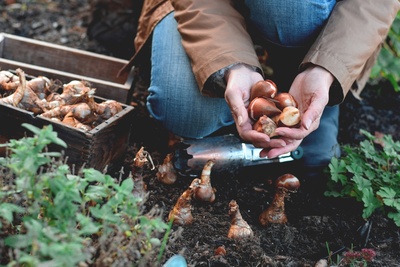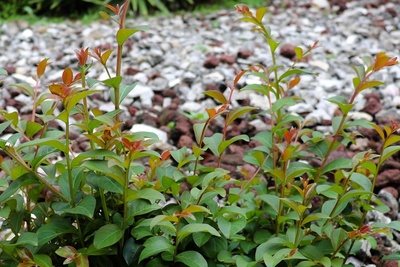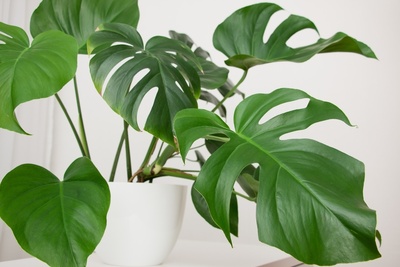
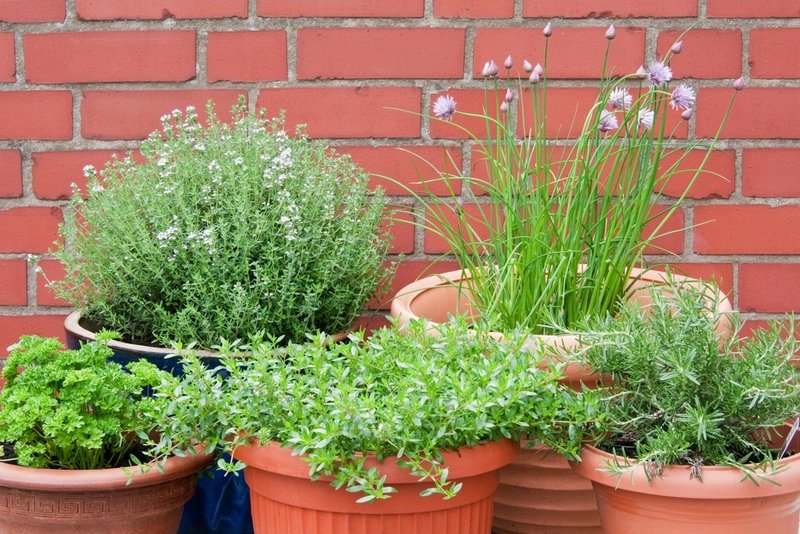
Whether your garden is big, small, or just a few pots on a windowsill, there’s always space to grow herbs. Growing your own herbs means there’s a ready supply any time you need them, and they look good too, often producing flowers that attract bees and other beneficial insects. We’ve picked our five favourite easy herbs to grow.
1. Rosemary
Rosemary is an evergreen shrub with narrow, aromatic leaves that go well with lamb and chicken dishes. Its pretty blue flowers provide early nectar for bees in spring.
Plant rosemary in very well-drained soil, or a pot, in a sheltered, sunny spot. Although it is drought-tolerant, container-grown rosemary will need to be watered regularly in hot summers. Mulch plants in autumn to protect against winter weather and cover them with fleece in very cold areas. Raise pots onto pot feet over winter to improve drainage.
2. Thyme
Thyme is a compact evergreen shrub with small, aromatic leaves that are used in many Italian dishes. In late spring and early summer, the whole plant is covered in clusters of tiny pink flowers that bees and other pollinators love. Plant thyme in well-drained soil in full sun, and trim it lightly after it has flowered to stop it from getting leggy.
3. Basil
Basil is a tender herb and a vital ingredient in many tomato-based dishes. It thrives in warm weather and needs to be kept at a temperature of above 5°C (41°F). It’s easy to grow basil from seed. Fill a pot with multipurpose compost and scatter a few seeds on top, covering them lightly with more compost or a thin layer of vermiculite. Water and place on a sunny windowsill or in a propagator to germinate. Basil can be planted outside after all the danger of frost is past. Remove any flowers that develop to keep the plant’s energy focused on producing leaves.
4. Chives
Chives belong to the allium family and have long green leaves with a delicate onion flavour, which are delicious chopped into salads, herb butter and sauces or added to stir-fries. They flower in late spring and early summer, producing edible purple flower heads that make a lovely addition to a summer salad.
Plant chives in moist, well-drained soil in full sun or light shade, and harvest the leaves as you need them. Chives will die back in winter and reappear in spring.
5. Mint
Mint is a robust perennial herb with aromatic leaves, popular for herbal teas. It spreads rapidly by sending out underground runners and can be invasive, so it’s best grown in a pot, in sun or light shade. Water regularly and pick the leaves as you need them. Mint will die back in winter, but new growth will appear again in spring.
We have a fantastic range of both herb plants and seeds in our centre, so visit us and get your herb garden growing today!