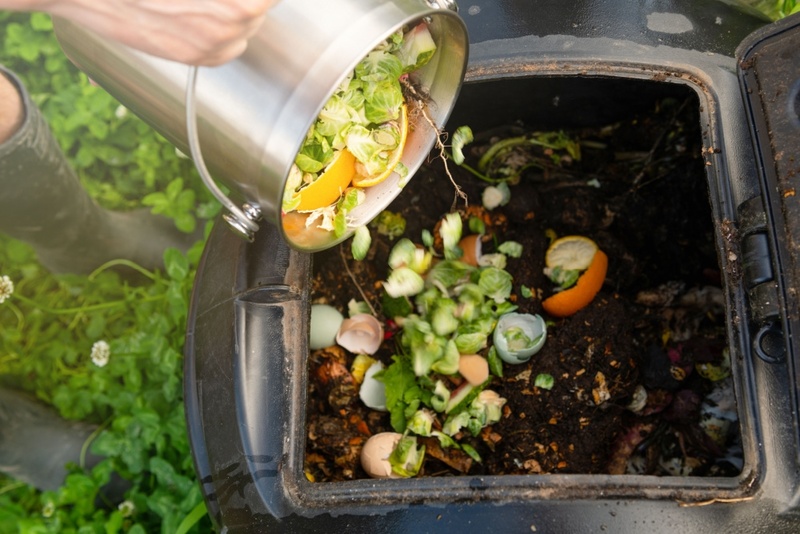
This is how to compost waste into valuable nutrients for your plants; the guide will help you to lessen waste and replenish your soil at the same time. Composting is a sustainable way to recycle your waste, which ultimately will help to reduce landfill waste and improve your plants' growth.
Which materials can be composted into valuable nutrients for your plants
A mix of materials is needed to create a balanced compost that is perfect for your plants.
- Brown materials are rich in carbon and include things such as dried leaves, straw, cardboard, twigs and newspaper.
- Green materials are high in nitrogen and can include fruit, vegetable peelings, coffee grounds, eggshells, garden waste such as grass clippings, weeds (without seeds), and other plant materials.

How to compost waste to make valuable nutrients for your plants
You can build a compost bin from pallets or even dig a trench in your garden. However, a bin may be better at keeping pests out of the compost pile. You can also add worms (vermiculture) to help break down kitchen scraps and use a special vermicomposting bin. Darlek bins are readily available as well and can now be bought in various shapes and sizes for all size spaces. Don’t add diseased or pest-infested plants, meat, dairy or anything oily into your compost pile.
Maintaining your compost heap
- Your compost pile will need to be kept moist but not too wet, and you’ll need to aerate it with a fork every now and again. Aeration ensures the heap doesn’t get smelly and can help to speed up the process.
- Layer some brown materials at the bottom and add green materials on top. If it’s a new compost heap, add in some ready-made compost or soil to incorporate some beneficial microorganisms. From here, it is ideal to continue layering if you can, but if that’s not possible, make sure you turn and mix your compost as best as you can.
- Add water if needed every now and again.

Using your homemade compost as valuable nutrients for your plants
Firstly, you’ll need some patience. A compost pile can take some months to be ready for use around your plants. There are various factors involved, such as temperature, materials use and how often the pile gets turned. You’ll know when it is ready because it will look more like soil that is dark and crumbly and will have a lovely earthy smell. The best way to use your compost is to mix it into your garden soil, use it as a mulch or even make a compost ‘tea’ to feed your plants.
For composting tools, bins and friendly advice, visit us in store.