If you have a pond in your garden, you already know how great ponds are for the garden's ecosystem, attracting a whole host of beneficial wildlife, including insects, birds, frogs and newts. Regular pond maintenance keeps your pond in good condition, creating a healthy environment for the wildlife that depends on it. Winter pond maintenance is just as essential as at any other time of the year. Here are our top tips for January pond care.
Top tips for winter pond care
-
If you haven't already done so, raise your pond pump from the bottom of the pond on a couple of bricks so that the water at the lowest level of the pond is undisturbed. This ensures that any hibernating fish will not be disturbed.
-
Take out any filters or UV clarifiers to clean and service them now while there's no risk of algae developing in the water. You can replace them in the pond at the end of February and lower the pump again at the same time.
-
Don't allow your pond to freeze over entirely for more than a couple of days, as this will harm fish and other wildlife in the water. Harmful gases from decomposing plant material can build up underwater in these conditions, while the available oxygen in the water will be used up. Keeping an area of the pond ice-free also gives wildlife somewhere to drink. If your pond does freeze over, don't smash the ice or pour hot water onto it, as this will undoubtedly disturb pond wildlife. Fill a metal pan with hot water and carefully rest it on the surface of the ice to thaw a hole. A pond heater is an excellent investment in areas with frigid winters and will keep a small area of the water surface ice-free without heating the whole pond.
-
Adding cold water to a pond will disturb fish, so if you need to add water to your pond to top it up, let the water sit first for a few hours in a container until it reaches room temperature. This also allows any chlorine in the water to evaporate.
-
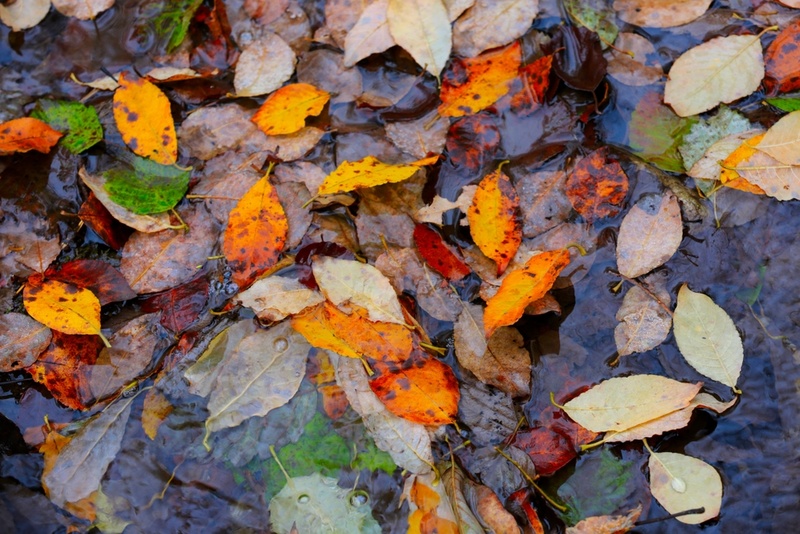
Use a net to skim any leaves or debris off the pond's surface. If left in the water, the leaves and other plant material will break down and decompose, raising nitrogen levels and encouraging blanket weed growth in spring.
-
Prune hardy pond plants now while they are dormant, cutting back any yellowing leaves.
-
Hard frosts and icy weather can damage pond liners, so keep an eye on water levels and top up your pond if necessary. Any leaks can be mended in spring when the weather warms up.
We have a fantastic range of gardening essentials in our centre, so whatever your garden needs, you can find it here! We're always happy to help with all your gardening queries.