Winter can be tough for many plants in our gardens, especially those that come from warmer climates. And even native hardy plants can use some help to get through cold, wet winter weather. Here are our top tips on how to protect your plants this winter.
7 Tips to protect your plants in winter
-
Most plants don’t like sitting with their roots in cold, wet compost over winter, and if the compost in a pot gets waterlogged or frozen, it’s very likely the plants in it will die. Mediterranean plants like lavender especially hate sitting in cold, wet compost. To reduce the risk, raise pots up on pot feet to improve drainage.
-
Plants that are hardy when planted in the ground may still struggle over winter when grown in pots, as their roots are more exposed to the cold. Give them extra protection in cold areas by wrapping pots in fleece or bubble wrap to insulate them against frost. Group pots together so that they help to insulate each other, with the hardiest plants on the edge of the group.
-
Move pots against a sheltered house wall to protect them from the worst of the winter rain.
-
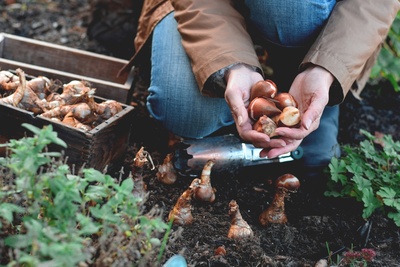
Tender plants like dahlias, gladioli and begonias die back in winter, but their tubers may survive winter in the ground in mild areas if given a thick mulch of straw. In cold regions, it’s best to dig up the tubers in late autumn, leave them somewhere to dry off for a couple of days, then brush off the dry soil and store the tubers in trays filled with compost in a cool, dry, frost-free place over winter. They can be replanted the following year.
-
Banana plants have become very popular for tropical-style planting, but they need winter protection. After the first light frost, cut off all the leaves just above the top of the stem and wrap the whole plant in a layer of horticultural fleece covered by a layer of hessian. In cold areas, it’s worth building a wire frame around the plant once it’s been wrapped, packing the space between the plant and the frame with straw and covering the whole plant with a layer of plastic sheeting to keep off snow and rain.
-
Move tender geraniums indoors before the first frosts and cut them back – this will encourage them to grow back bushier next year. Grow them on a sunny windowsill, and water sparingly, just enough to keep the compost moist.
-
Apply a thick (5cm) layer of mulch to beds in late autumn. As well as improving soil structure, this can reduce soil compaction and erosion, promoting the growth of strong, healthy plants.
We have everything you need in our centres to take care of your plants over winter. Come in and see us – our friendly staff are always happy to help!